
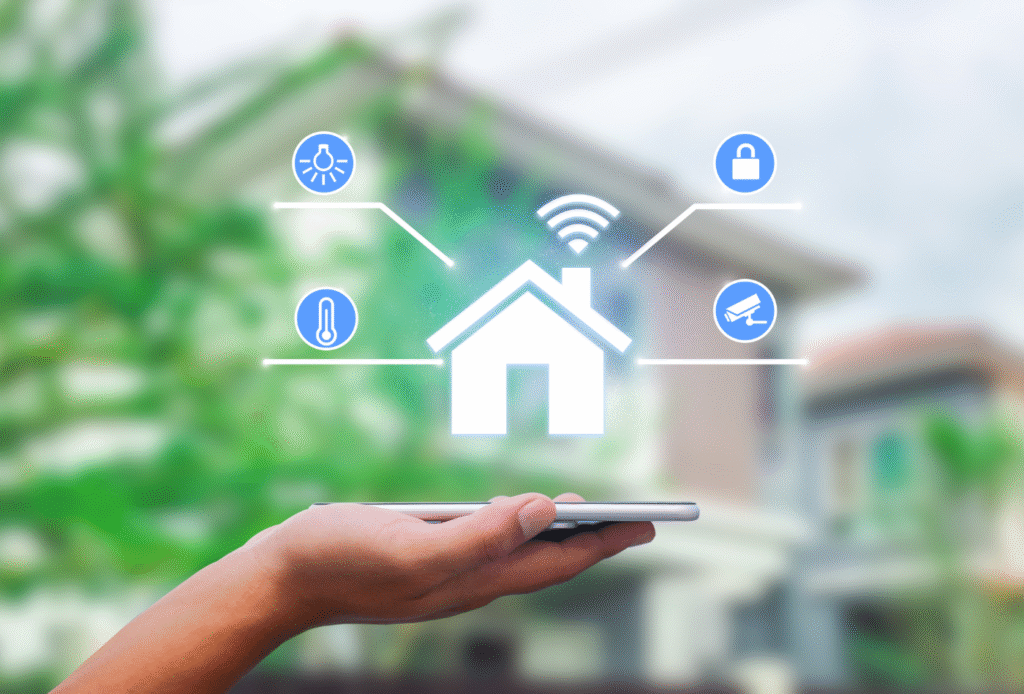
Securing your home does not require a massive budget or a team of security experts. Most property crimes are crimes of opportunity. When a burglar sees an easy target, they take advantage of it. By implementing basic, proactive measures, you can significantly reduce the likelihood of your home becoming a statistic.
This comprehensive guide breaks down practical, straightforward strategies to fortify your property, secure your perimeters, and give you peace of mind.
Establishing Your First Line of Defense: Perimeter Security
The boundary of your property is the first barrier a potential intruder encounters. If your perimeter looks secure, most criminals will move on to an easier target.
Maintain Clear Lines of Sight
Landscaping plays a massive role in home security. Overgrown bushes and tall trees provide excellent hiding spots for burglars attempting to force open windows or doors.
-
Trim shrubs and hedges: Keep all bushes near windows and doors trimmed down to three feet or lower.
-
Prune tree branches: Cut back tree limbs that hang close to your roof or upper-story windows to prevent intruders from climbing up.
-
Eliminate blind spots: Ensure your front door and driveway are completely visible from the street.
Fencing and Gates
A sturdy fence acts as both a physical and psychological barrier.
-
Choose the right materials: Opt for picket, chain-link, or metal fencing that allows visibility, rather than solid privacy fences that hide a burglar once they get inside.
-
Lock your gates: Always secure your backyard gates with heavy-duty padlocks or outdoor-rated smart locks.
Fortifying Entry Points: Doors and Windows
Most burglars enter through the front door, back door, or first-floor windows. Strengthening these vulnerable areas is the most critical step in home defense.
Upgrade Your Deadbolts and Hardware
A standard lock is surprisingly easy to bypass with a crowbar or a heavy kick. Upgrading your hardware makes forced entry much more difficult.
-
Install Grade 1 or Grade 2 deadbolts: Look for locks certified by the American National Standards Institute (ANSI) to ensure they can withstand high impacts.
-
Use three-inch screws: Replace the short, half-inch screws in your door strike plates with three-inch screws. This anchors the plate deep into the wall stud, preventing the door frame from splintering when kicked.
-
Reinforce sliding doors: Sliding glass doors are notoriously easy to pop off their tracks. Place a heavy wooden dowel or a metal security bar in the bottom track to prevent the door from sliding open.
Secure First-Floor Windows
Windows are fragile entry points, but you can make them highly resilient.
-
Add window locks: Standard window latches are flimsy. Install aftermarket window pin locks or keyed locks for extra security.
-
Apply security film: This clear, heavy-duty polyester film adheres directly to the glass. If a burglar hits the window with a brick or hammer, the glass will shatter but remain held together in the frame, delaying entry.
Utilizing Lighting as a Deterrent
Criminals prefer to operate in the dark where they cannot be identified. Well-planned outdoor lighting strips away their anonymity.
Motion-Activated Spotlights
Motion sensor lights are highly effective because the sudden burst of light startles intruders and draws attention to their movements.
-
Strategic placement: Mount motion lights at least nine feet above the ground at the corners of your house, above the garage, and near all entry doors. This prevents intruders from tampering with or unscrewing the bulbs.
-
Adjust sensitivity: Tune the sensors so they trigger for human-sized objects rather than neighborhood cats or blowing leaves.
Smart Lighting Timers
When you are away from home, your house should still look occupied.
-
Use smart bulbs: Program interior lights to turn on and off at random intervals throughout the evening.
-
Vary the schedule: Do not set a rigid timer that turns a lamp on at exactly 7:00 PM every night, as observant burglars will notice the pattern.
Integrating Smart Technology and Surveillance
Modern technology has made comprehensive home surveillance affordable and incredibly easy to self-install.
Smart Video Doorbells
A video doorbell is one of the best investments you can make for your property.
-
Two-way audio: This feature allows you to speak to delivery drivers or visitors from anywhere in the world, making it seem like you are home even if you are miles away.
-
Cloud recording: Choose a model that saves recorded footage to the cloud so you have evidence if someone steals a package from your porch.
Standalone Security Cameras
Visible cameras act as an immediate deterrent, while hidden ones catch intruders off guard.
-
Cover all angles: Place cameras at the front door, back door, and any side alleyways.
-
Look for high resolution: Ensure your cameras shoot in at least 1080p or 4K resolution so you can clearly capture facial details and license plates.
Daily Habits That Prevent Crime
The most expensive security system in the world is useless if you do not use it properly. Cultivating daily security habits costs nothing but provides immense protection.
Secure Your Garage
Many homeowners leave the door connecting their attached garage to the house unlocked. This is a massive security oversight.
-
Lock the interior door: Treat the door inside your garage with the same level of security as your front door, complete with a deadbolt.
-
Hide your remote: Never leave your garage door opener clipped to the visor of your car if it is parked outside in the driveway. A thief can smash your car window, steal the remote, and gain instant access to your home.
Manage Your Digital and Physical Footprint
Burglars look for signs that a homeowner is away on vacation before planning a break-in.
-
Pause mail delivery: Contact the US Postal Service and your newspaper carrier to hold deliveries while you are out of town. A pile of uncollected mail is a green light for criminals.
-
Be careful on social media: Avoid posting real-time updates or photos of your vacation while you are still away. Wait until you return home to share your travel memories.
-
Hide expensive packaging: When you buy a new television, computer, or gaming console, do not leave the cardboard box sitting on the curb for trash day. Break the boxes down and flip them inside out so you are not advertising your luxury goods to passersby.
Frequently Asked Questions
What is the difference between a monitored and an unmonitored security system?
A monitored system connects directly to a professional dispatch center that operates round the clock. When an alarm triggers, the center verifies the threat and calls emergency services on your behalf. An unmonitored system relies entirely on loud sirens to scare away intruders and sends a notification to your smartphone, leaving it up to you to contact the police.
Does having a home security system lower my homeowners insurance premium?
Yes, most insurance providers offer discounts ranging from five percent to twenty percent on homeowners insurance premiums if you have a functioning security system. Professionally monitored systems with smoke and fire detection generally yield the highest discounts.
How can I secure my home if I live in a rental property where I cannot drill holes?
Renters can use non-damaging security solutions such as portable door jammer bars, tension-mounted window locks, and wireless security cameras that adhere to walls using removable adhesive strips. Video doorbells designed specifically for apartments can also clip onto the edge of the door without screws.
Where should I store my valuables so burglars cannot find them?
Avoid storing passports, jewelry, and spare cash in the master bedroom closet or top dresser drawers, as these are the very first places a burglar checks. Instead, utilize less obvious locations such as a heavy, bolted-down safe in a basement, a hollowed-out book on a bookshelf, or a pantry storage container.
Can yard signs that warn of a security system actually prevent a break-in?
Yes, yard signs and window decals stating that your property is protected by a security company are highly effective deterrents. Many opportunist burglars will bypass a home entirely if they see these signs, though it is always best to have a real system backing up the claim.
How can I ensure my home stays secure during a power outage?
Look for security systems and smart locks that include a cellular backup and a battery backup system. This ensures that even if your main electrical grid goes down or an intruder cuts your power lines, the system remains operational and can still send alerts for several hours.