


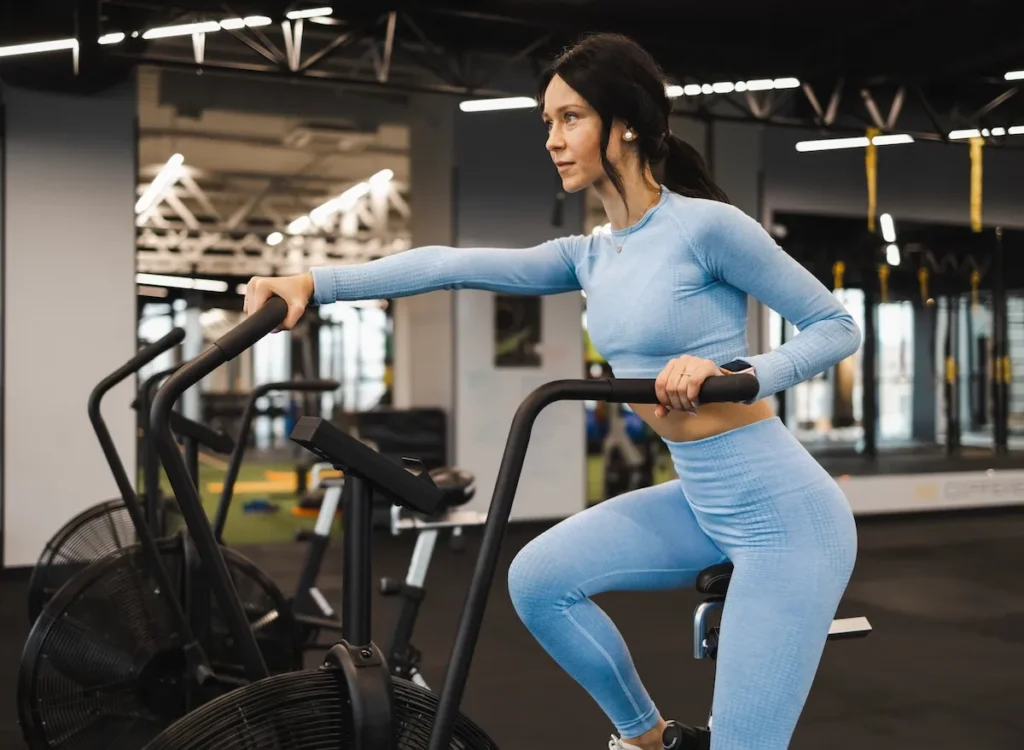
Balancing hormones, building lean muscle, and torching fat — all in under 30 minutes? That’s the unique advantage of fitness HIIT training for women. Far beyond being just a time-saving workout, HIIT has specific endocrine and physiological effects that align beautifully with female health and metabolism when done correctly.
Unlike generic programmes, HIIT routines designed for women consider hormonal cycles, recovery demands, and life stages — from the menstruating years through perimenopause and beyond. In Singapore, boutique gyms like TFX are helping women access professional HIIT coaching tailored to these nuanced needs.
Why HIIT Training is Uniquely Effective for Women
While men and women share many biological responses to exercise, women also experience:
- Monthly hormonal fluctuations
- Greater reliance on fat oxidation at rest
- Higher cortisol sensitivity from stress
HIIT, when appropriately structured, addresses these patterns to:
- Burn visceral fat without overtraining
- Improve insulin sensitivity and glucose control
- Support natural hormone production (oestrogen, progesterone)
- Maintain bone density and muscle mass
How Female Hormones Influence HIIT Performance
The Follicular Phase (Day 1–14)
- Higher oestrogen and rising testosterone levels
- Women tend to recover faster and tolerate intensity better
HIIT strategy:
- Go heavier and faster
- Use explosive moves (sprints, jump squats)
- Incorporate strength-based intervals
The Luteal Phase (Day 15–28)
- Progesterone dominates, slight dip in energy and mood
- Core temperature rises, leading to quicker fatigue
HIIT strategy:
- Lower the intensity slightly
- Focus on form, not speed
- Extend rest periods between sets
Women with irregular cycles or perimenopausal symptoms may benefit from using energy levels and sleep quality as training cues instead of relying solely on the calendar.
HIIT and Fat-Burning Hormones in Women
HIIT prompts a unique cascade of hormones, many of which play fat-burning or muscle-preserving roles:
- Adrenaline and noradrenaline: Mobilise fatty acids
- Human growth hormone (HGH): Elevated post-HIIT in women over 35
- Glucagon: Enhances fat use during fasted or early morning sessions
- Insulin sensitivity: Improved after even short HIIT bouts
This makes HIIT ideal for combating insulin resistance and reducing stubborn belly fat — both common concerns for women post-30.
HIIT Formats That Work Best for Women
Women often thrive on formats that balance intensity with joint-conscious programming. Here are tested HIIT structures:
- Tabata Intervals
- 20s work, 10s rest
- Great for busy mornings
- Total time: 4–16 minutes
- AMRAP (As Many Rounds As Possible)
- Time-based challenge
- Enhances endurance and bodyweight control
- Encourages pacing over speed
- Circuit HIIT
- Rotating through 4–6 exercises
- Balances muscle groups
- Easier to adapt to fitness level
Exercises That Work for Female Bodies
Best Low-Impact HIIT Moves:
- Squat to overhead reach
- Mountain climbers (with sliders)
- Lateral band walks
- Glute bridges
- Reverse lunges
- Incline push-ups
These exercises minimise strain on joints while maximising metabolic demand and toning the full body.
Common Challenges Women Face with HIIT — and How to Fix Them
- Fatigue After Sessions
Likely causes: Overtraining, inadequate recovery, or under-eating
Solution:
- Limit HIIT to 3x weekly
- Fuel pre- and post-session
- Track menstrual cycle to adjust effort
- Scale Not Moving
Likely cause: Gaining lean mass, losing fat — scale doesn’t reflect it
Solution:
- Track body composition (waist, hips, photos)
- Focus on strength and energy levels
- Irregular Periods
Likely cause: Excessive exercise and low energy availability
Solution:
- Add recovery days
- Increase healthy fats and total calories
Creating a Weekly HIIT Split for Women
Here’s a realistic 7-day structure tailored for energy balance, hormone health, and progression:
| Day | Activity |
| Monday | 20-min HIIT (strength focus) |
| Tuesday | Yoga or mobility |
| Wednesday | 15-min Tabata (cardio burst) |
| Thursday | Rest or light walk |
| Friday | Circuit HIIT (core + legs) |
| Saturday | Outdoor leisure + mobility |
| Sunday | Optional low-impact HIIT |
Nutrition Tips for Women Doing HIIT
- Protein timing: Consume protein within 30 minutes post-workout to support muscle recovery
- Magnesium-rich foods: Dark leafy greens, seeds — help reduce PMS and aid recovery
- Complex carbs: Brown rice, quinoa, sweet potatoes support energy
- Healthy fats: Avocados, salmon, chia seeds assist in hormone production
Tracking Progress Beyond the Scale
Metrics that reflect real change:
- Improved energy across the day
- Better sleep quality
- Shorter recovery times
- Increased strength or reps per round
- Clothing fit and confidence
Women often see body recomposition — more lean mass and less fat — even if scale weight remains stable.
FAQ (Frequently Asked Questions)
Can HIIT affect menstrual cycles?
Yes, especially with excessive volume and low-calorie diets. Moderate intensity and proper fuelling generally support hormonal health.
Is HIIT safe during pregnancy?
With medical clearance, modified HIIT is safe for many women in early pregnancy. Avoid high-impact or overheating exercises.
What if I feel more tired after starting HIIT?
This can signal overtraining, poor nutrition, or sleep deprivation. Reduce frequency and prioritise recovery.
How long before I see results?
Energy and mood improvements may be noticeable within 2–3 weeks. Fat loss and strength changes can take 4–6 weeks or more.
Should women lift weights in HIIT sessions?
Yes. Combining resistance with intervals boosts fat-burning, maintains lean mass, and improves bone health.
HowTo: Perform a 20-Minute Hormone-Supportive HIIT Workout
Tools Needed:
- Yoga mat
- Dumbbells (optional)
- Timer app
Steps:
Warm-Up (3 mins):
- Arm swings – 30s
- Air squats – 1 min
- Torso twists – 1 min
- High knees (light pace) – 30s
Main Circuit (16 mins): 4 rounds of:
- 30s Glute bridges
- 30s Push-ups (incline if needed)
- 30s Jump-free lunges
- 30s Mountain climbers
- 30s Rest
Cool Down (2 mins):
- Child’s pose
- Hamstring and quad stretch
- Deep breathing
Whether you’re navigating hormonal shifts or chasing performance, fitness HIIT training can be one of the most powerful tools in your wellness arsenal — if approached with strategy, self-awareness, and science-backed programming.