


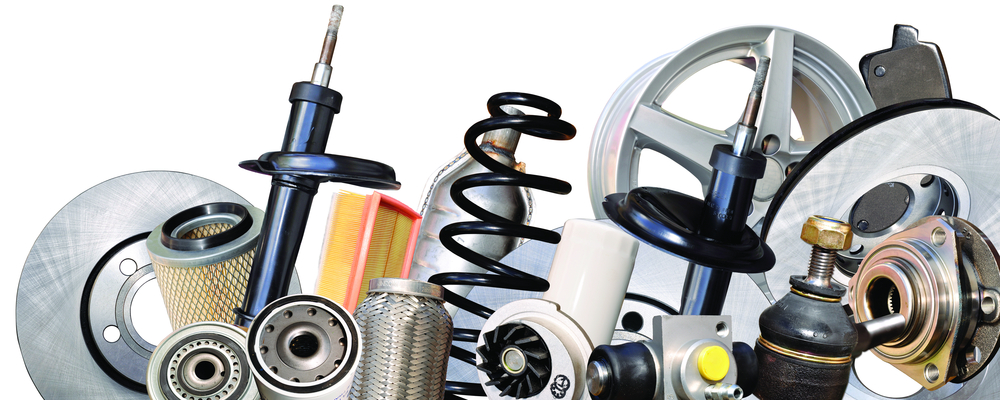
When extreme winter weather arrives, it brings a unique set of challenges for vehicle owners. Plummeting temperatures, heavy snowfall, and icy roads do more than make driving treacherous. They actively attack the mechanical and electronic systems of your automobile. Cold temperatures slow down chemical reactions, cause materials to contract, and increase the viscosity of essential fluids.
Understanding which vehicle components are most vulnerable during a freeze helps prevent unexpected breakdowns on dark, icy roads. This comprehensive guide details the common auto parts that frequently fail in extreme winter weather, explains why they fail, and provides actionable advice on how to mitigate the risks.
1. The Car Battery
The lead-acid battery in your vehicle is arguably the most common casualty of extreme winter weather. Automotive batteries rely on chemical reactions to store and release electrical energy. When the temperature drops below freezing, these chemical reactions slow down significantly.
At 32 degrees Fahrenheit, a standard car battery loses roughly 35 percent of its strength. When the temperature drops to 0 degrees Fahrenheit, that power availability plunges by up to 50 percent.
Compounding this power loss is the fact that starting a frozen engine requires far more energy than starting one in warm weather. The internal engine components are stiff, and the oil is thick, meaning the starter motor must draw massive current from an already weakened battery. If your battery is more than three years old or has weak cells, the initial cold snap of winter will likely cause it to fail completely.
2. Windshield Wiper Blades and Motor Assembly
Windshield wipers are critical for maintaining visibility during snowstorms and sleet, yet they are highly prone to physical failure in freezing conditions. Standard wiper blades are made of thin rubber that becomes stiff, brittle, and fragile when exposed to extreme cold.
A major cause of failure occurs when moisture freezes the rubber blade directly to the glass windshield. If a driver turns on the wiper system while the blades are frozen to the glass, several components can fail instantly:
-
The rubber edge can tear away from the wiper frame.
-
The metal wiper arms can bend or snap under pressure.
-
The electric wiper motor can burn out as it attempts to move a seized mechanism.
-
The plastic or metal linkages that connect the motor to the arms can strip or break.
3. Serpentine and Drive Belts
The rubber compounds used to manufacture serpentine belts and drive belts are designed to withstand high engine heat, but they struggle in extreme sub-zero temperatures. Cold weather causes rubber to contract and lose its natural flexibility.
When a vehicle sits overnight in extreme cold, the drive belts become stiff and brittle. Upon starting the vehicle, the sudden tension and rapid movement around the engine pulleys can cause an aging belt to crack, fray, or snap entirely. Because the serpentine belt drives critical auxiliary components like the alternator, water pump, and power steering pump, a belt failure will immediately disable your vehicle.
4. Windshield Washer Reservoir and Fluid Lines
Many drivers use summer-blend windshield washer fluid or plain water during the warmer months. If this fluid is not completely flushed and replaced before winter, it will freeze solid inside the washer system.
Water expands when it freezes. This expansion regularly cracks the plastic washer fluid reservoir tank, splits the flexible rubber or plastic delivery hoses, and shatters the small spray nozzles mounted on the hood. Even if the components do not break, the frozen fluid blocks the system, leaving you unable to clear blinding road salt and grime from your windshield.
5. Tires and Valve Stems
While tires do not typically shatter in the cold, they experience structural changes and critical pressure drops that can lead to catastrophic failure. According to basic physics, air contracts when cooled. For every 10-degree drop in ambient temperature, your vehicle tires will lose approximately 1 to 2 pounds per square inch of pressure.
Driving on underinflated tires in the winter causes excessive sidewall flexing, which generates heat and can lead to a sudden blowout. Furthermore, the specialized rubber compound used in standard all-season tires hardens significantly in extreme cold, reducing the tire’s ability to grip the road surface. Plastic or cheap metal valve stem caps can also crack or freeze to the valve threads, making it difficult to service the tires.
6. Alternator and Starter Motor
The starter motor and alternator experience secondary failures directly related to the harsh winter environment. As engine oil thickens in the cold, the starter motor must work twice as hard to turn the flywheel and crank the engine. This extreme mechanical resistance causes the internal electrical components of the starter to overheat and burn out.
The alternator faces a similar burden due to electrical overload. During the winter, drivers run headlights, high-powered front and rear defrosters, heated seats, heated steering wheels, and high-speed cabin heaters simultaneously. This continuous maximum demand forces the alternator to run at peak capacity for extended periods, accelerating internal component wear and leading to total electrical failure.
7. Positive Crankcase Ventilation System
The Positive Crankcase Ventilation system is responsible for recirculating combustion gases out of the engine crankcase and back into the intake manifold. A byproduct of this process is moisture condensation.
In extreme winter conditions, especially during short trips where the engine never fully reaches optimal operating temperature, this condensation can freeze inside the system lines or the valve itself. If the system freezes shut, pressure builds up rapidly within the engine crankcase. This intense pressure has nowhere to go and will quickly blow out the weakest seals of the engine, most notably the rear main seal, resulting in massive, sudden engine oil loss and potential internal engine destruction.
8. Plastic Intake Manifolds and Engine Sensors
Modern vehicle manufacturers use lightweight, durable plastics for components like intake manifolds, vacuum lines, and sensor housings. While these plastics perform exceptionally well under normal conditions, extreme cold makes them highly brittle.
The intense thermal cycling, which is the rapid change from sub-zero outdoor temperatures to high engine operating temperatures, causes these plastic components to expand and contract sharply. This stress leads to hairline cracks in the intake manifold, resulting in unmetered air leaks that trigger a lean-running engine condition and a illuminated check engine light. Similarly, exposed electronic sensors can suffer cracked casings, allowing road salt and moisture to penetrate the circuitry and cause sensor failure.
9. Fuel Lines and Fuel Filters
While gasoline has an extremely low freezing point, moisture can easily find its way into the vehicle fuel system through gas station tanks or condensation inside a nearly empty car fuel tank.
If moisture accumulates in the fuel lines, extreme winter temperatures will freeze that water into ice crystals. These ice crystals block the flow of fuel through the thin metal or nylon fuel lines or completely clog the fuel filter. This starvation of fuel causes the engine to crank over but fail to start, or it may cause the vehicle to sputter and stall shortly after starting.
Winter Auto Parts Breakdown
The table below summarizes the primary failure modes of these vulnerable components and provides the key warning signs to watch for before a total breakdown occurs.
| Vulnerable Part | Primary Cause of Winter Failure | Common Warning Signs |
| Car Battery | Slowed chemical reaction, diminished cold-cranking amps | Slow engine cranking, dimming headlights at idle |
| Wiper Blades | Rubber freezing to glass, structural brittleness | Streaking on windshield, chattering, torn rubber |
| Serpentine Belt | Loss of flexibility, material cracking from tension | Squealing noise upon startup, visible fraying |
| Washer Reservoir | Expansion of frozen summer fluid or water | No fluid spray, puddles of washer fluid under bumper |
| Tires | Contraction of internal air, hardening of rubber compound | Low tire pressure light, reduced braking traction |
| Starter Motor | Overheating due to high mechanical resistance | Clicking sound when turning key, slow engine engagement |
| PCV System | Frozen condensation blocking pressure release | Sudden major oil leaks, smoke from engine bay |
| Fuel Lines | Ice crystals forming from trapped system moisture | Engine sputters, starts and stalls, or refuses to start |
Frequently Asked Questions
Why does my car infotainment screen become slow or unresponsive in extreme winter weather?
Most modern vehicle dashboard screens and infotainment systems use Liquid Crystal Displays. The liquid crystals inside these screens are fluid compounds that become highly viscous and sluggish when exposed to extreme cold. This slows down their ability to shift positions and update the image, resulting in ghosting images, slow response times, or a dim display. The screen will return to normal operation once the vehicle cabin warms up completely.
Can car suspension components break due to extreme cold?
Yes, suspension components are highly vulnerable in the winter. The rubber bushings that cushion control arms and sway bars become stiff and lose their ability to absorb road shocks. Additionally, extreme cold makes the steel alloys used in coil springs and control arms slightly more brittle. When a vehicle hits a deep, sharp pothole caused by winter road damage, these hardened, brittle components are far more likely to crack or snap.
Does cold weather affect automotive brake fluid or brake lines?
Brake fluid is hygroscopic, meaning it naturally absorbs moisture from the air over time. If your brake fluid is old and has absorbed a significant amount of water, that moisture can create micro-ice crystals or boil under heavy braking, leading to a spongy brake pedal or reduced braking efficiency. Furthermore, steel brake lines are exposed to harsh road salt used in winter, which accelerates rust and corrosion, potentially leading to fluid leaks.
Why does my car door latch mechanism stop working when it gets below freezing?
Door latch mechanisms fail because water from melted snow or car washes seeps into the door cavity and freezes inside the delicate springs, cables, and levers of the latch. This can leave you unable to open the door, or worse, the door may open but refuse to latch shut again. Applying a silicone-based lubricant or a specialized lock de-icer into the mechanism can help displace moisture and restore function.
Can extreme cold damage electric vehicle propulsion batteries the same way it affects regular car batteries?
Electric vehicle lithium-ion propulsion batteries suffer from reduced driving range rather than permanent structural failure in the cold. The internal chemical resistance increases, which slows down the flow of electrons and reduces total energy capacity by 20 to 30 percent. EV computer systems also allocate a massive amount of battery power to run internal thermal heaters to keep the battery pack within a safe operating temperature, further reducing the available driving range.
Is it true that the engine cooling thermostat can fail more often in the winter?
Yes, thermostats can experience mechanical failures due to extreme temperature deltas. A thermostat regulates the flow of engine coolant to maintain proper operating temperatures. If the internal spring mechanism is worn, the constant exposure to freezing ambient temperatures on one side and hot engine coolant on the other can cause the thermostat to stick open. This prevents the engine from reaching its proper operating temperature, leaving you with no cabin heat and poor fuel economy.